It’s time to celebrate play-based learning, according to the Australian International School Hong Kong (AISHK). We find out more about the school’s uniquely Australian approach to intentional play that helps children with their language development, social skills and more.
Why play-based learning matters
“Playing is what children are born to do,” says LAUREN ROSANOWSKI, Head of Reception (Kindergarten) at AISHK. “It’s innate. And we as teachers know from educational research and our own experience that play develops curiosity, creativity, belonging and a deep connection to the wider world.”
Little wonder, then, that Lauren and the school’s Early Years team are advocates for play-based learning. Their classrooms and curriculum are structured according to the Australian Early Years Learning Framework, and the team’s approach toward Early Childhood development is clear – play is a right for children!
Head of the Primary School, JANE THOMAS, adds that the Australian learning framework used at AISHK characterises child development in three ways: “Belonging”, “Being” and “Becoming”. “In Hong Kong, children belong to beautifully diverse families and neighbourhoods, both locally and globally,” she says. “‘Belonging’ acknowledges children’s interdependency with others. ‘Being’ recognises the significance of a child exploring and making sense of the world around them, and the importance of being a child. ‘Becoming’ focuses on the change and the incredible growth during the Early Years of Primary school.”
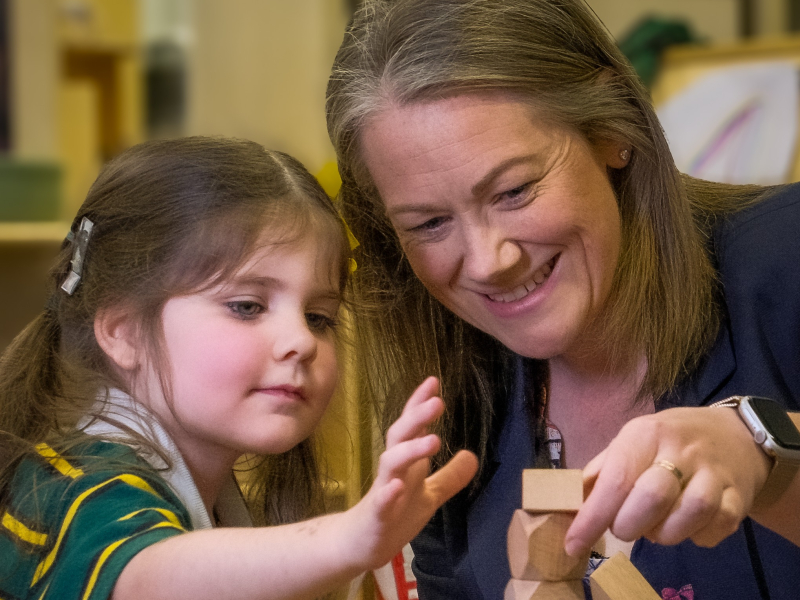
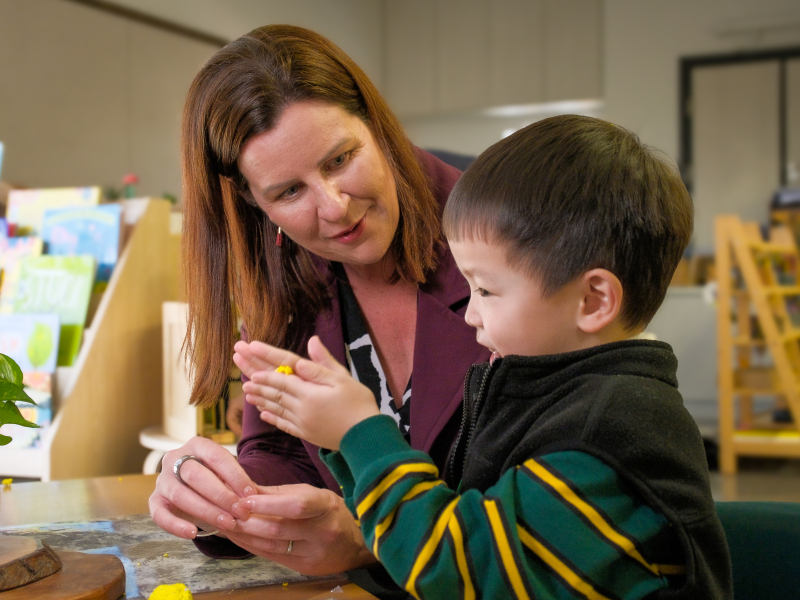
For Lauren, the concept of Being is crucial. “Who a child becomes is important, but so is who a child is right now. This is worth celebrating and honouring. In an AISHK classroom, children are valued as leaders of their own learning. This means they can make choices in their play that support their growth and development. A visitor to my classroom might see children playing with clay, roleplaying in the model post office or banging on drums. They interact in an organic, self-guided way, using their imagination and following their own imagination and initiative. As teachers, we are intentionally creating spaces where quality play-based learning can take place.”
The right to education and play
The Australian Early Years Learning Framework cites the 1989 United Nations Convention on the Rights of the Child: “All children have the right to an education that lays a foundation for the rest of their lives, maximises their ability, and respects their family, cultural and other identities and languages. The Convention also recognises children’s right to play and be active participants in all that matters in their lives.”
Lauren is a strong advocate of this. “Giving children in the Early Years the right to play is the most important way we can support their growth and development. Children develop their identities, becoming active participants in their environments, capable contributors to our wider school, and confident learners.”
Jane adds, “Self-confidence is key. As students move through the school, teaching and learning becomes more structured. However, intentionally planned play in the Early Years means that children will have the opportunity to foster social skills, language development, literacy, critical thinking and problem-solving skills needed for more complex challenges.”
The Australian approach to Early Years education is about recognising play as a universal right. And it is something AISHK is unashamedly proud of. By placing play at the heart of learning, the school says it commits to nurturing children who are joyful, confident and curious to explore the everchanging world.
AISHK is at 3A Norfolk Road, Kowloon Tong.
2304 6078 | aishk.edu.hk
This article first appeared in Expat Living magazine in Hong Kong. You can buy the latest issue or an annual subscription or read the digital version free now.