
DR LAWREN DUROCHER-BABEK grew up in the American South before moving to Hong Kong from New Jersey in 2018. She tells us about her work here as a veterinarian Hong Kong, and the specialist vet clinic she opened in 2024.

What was your motivation for the move to Hong Kong?
We moved here for my career, but also because we wanted our kids to see the world and understand there are many ways to live well. We thought it would be two years – but we fell in love with Hong Kong almost immediately, and seven years later it truly feels like home.
Tell us a bit about your training.
I trained in the US and Canada, completing veterinary school at the University of Georgia, a rotating internship at the Ontario Veterinary College, and then a three-year residency in small animal internal medicine at The Ohio State University. I became board-certified in internal medicine in 2007 after advanced exams and research publication.
Since then, I’ve worked in referral hospitals in the US and Hong Kong. While in Hong Kong, I also completed my certification in Animal Hospice and Palliative Care so that I could help more of my patients and their families navigate end-of-life care.
When did you launch Veterinary Specialty and Imaging, and what was your aim?
My husband and I launched Veterinary Specialty and Imaging in 2024. Our aim is to provide specialist-level care with exceptional communication – so families leave with clarity, a plan and support. We treat the whole family as our patient, because when a pet is unwell, everyone feels it.
What key services are offered at VSI?
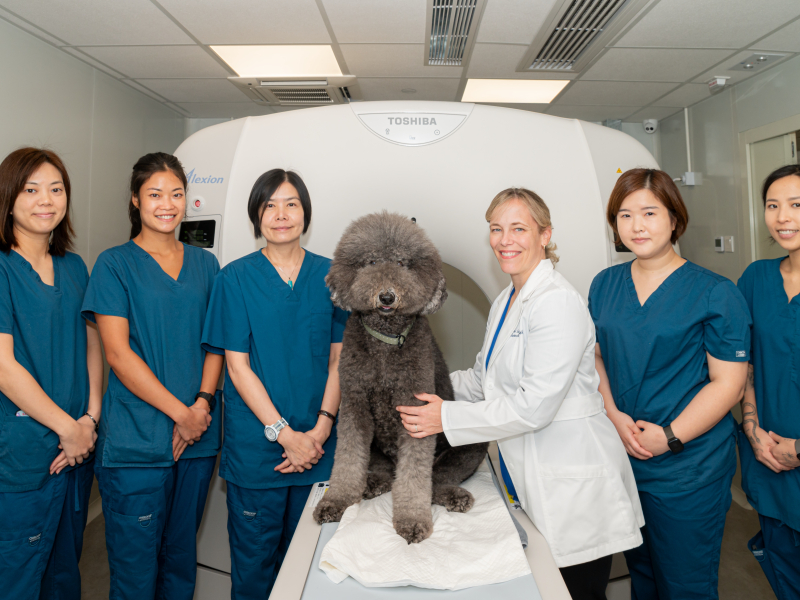
We provide internal medicine and palliative care consultations, along with advanced diagnostics such as ultrasound, CT scanning and endoscopy. Many of our patients have chronic and complex conditions, so our focus is on getting answers efficiently while also improving their quality of life, and keeping families informed at every step.
What are some ways you help when it comes to owners making end-of-life decisions about their pets?
A lot of what I do focuses on communication and education. I focus on facilitating compassionate conversations with pet owners about end-of-life decisions. One of the key aspects of this support is discussing what quality of life means for both the pet and the family. We start by exploring the pet’s current state – identifying pain levels, mobility, appetite and overall engagement in life. Together, we assess these factors to help families determine if their pet is still enjoying meaningful experiences. We then discuss ways of enhancing their pet’s quality of life. We discuss pain management options, nutritional support, and any necessary adjustments to their home environment to create a more comfortable space.

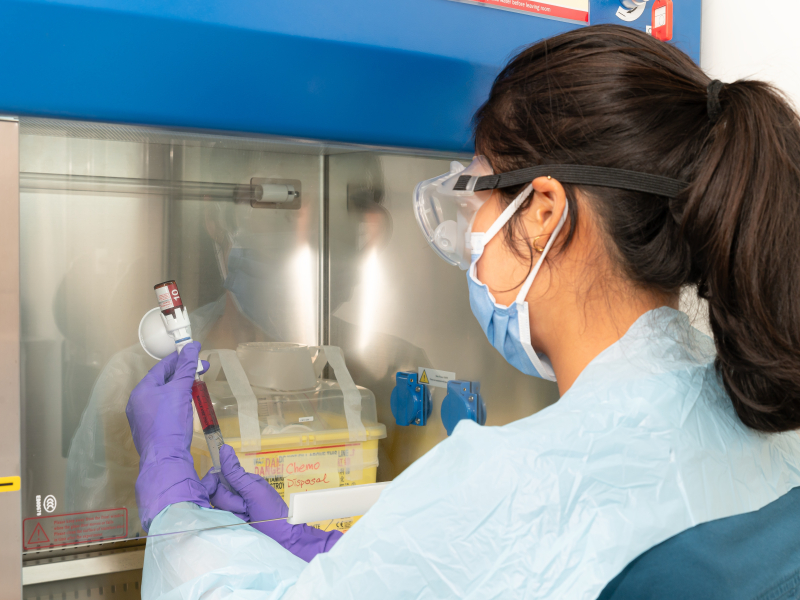
A lot of families are worried that they may miss big signs or symptoms. It’s important to prepare them for the changes they might witness as their pet’s health declines, including physical, emotional and behavioural shifts. By openly discussing these aspects, families can feel more equipped to make informed and compassionate choices when the time comes.
Ultimately, my goal is to ensure that both the pet and owner feel supported throughout this journey, fostering a peaceful transition that honours the bond they share.
What does a typical day at work look like?
A typical day includes new consultations and follow-ups, often with diagnostic testing the same day when appropriate. The part I value most is the time spent talking with families – explaining our findings and our concerns, discussing options and deciding together on the best next step for that pet and their household.
Are there particular animal ailments you deal with more commonly than others? Are any more specific to Hong Kong than other places?
Internal medicine covers a wide range of conditions, but we commonly see chronic gastrointestinal problems (vomiting, diarrhoea, weight loss), kidney disease, cancers and ongoing respiratory issues. We’re also seeing more cats with chronic upper airway congestion and inflammation – often frustrating for families because it can linger for months. I like to say that we treat anything you can’t see in the body (so, no eyes or skin!). In Hong Kong, we also see a high incidence of tick-borne disease.
Tell us more about that; how can owners protect their pets from ticks?
Year-round tick prevention is extremely important here – even in pets who don’t go outside much! I have diagnosed tick fever in dogs who rarely go outside. I highly recommend purchasing veterinarian-approved tick preventatives, as they have been the most well studied. Your vet can help guide you to the right one for you and your pet, as there is a wide variety of brands and types on the market.

What are some of the exotic animals you work with?
I don’t provide primary medical care for exotic pets, but our team can support diagnostics like CT scans and ultrasound for exotics – commonly rabbits and ferrets – working alongside the referring veterinarian.
Do you have any pets of your own? Are you a “dog person” or a “cat person”?
We have one dog, Nutmeg – a Hong Kong village rescue. She was quite naughty, so she was almost named “Mafan”. I genuinely love both cats and dogs, but due to allergies in our family, we don’t have a cat currently.
What do you like doing in your spare time?
Outside of work, I’m usually with my husband and our two kids. I love reading, baking and exercising – and whenever we can, we get outdoors for a walk or hike to reset from city life.
What part of Hong Kong do you live in, and what do you enjoy about it?
We live in Sai Ying Pun and love how convenient it is, yet it still feels like a small town. We run into familiar faces all the time, and it’s a wonderful mix of old Hong Kong and new.
VSI is at Shop 103A, Victoria Centre, 15 Watson Road, Fortress Hill.
3610 9121 | info@hkvsi.com | hkvsi.com
This article on a veterinarian in Hong Kong first appeared in Expat Living magazine in Hong Kong. You can buy the latest issue or an annual subscription or read the digital version free now.