We put a few of our readers’ questions about their pet dogs in Hong Kong to DR PAULINE TAYLOR of Pets Central. Read on to find out about the best dog toys for your pooch and what to do for cats and dogs with anxiety.
“My dog struggles with noise in Hong Kong and is very scared. How can we deal with this?”
Noise “sensitivity” is a common problem in pet dogs worldwide. Around 40 to 50 percent of owners report changes in their dog’s behaviour in response to certain sounds.
Signs of a noise sensitivity, brought on by fear, vary from dog to dog and from situation to situation. They include signs relating to physiological changes (panting, salivating, gastro-enteritis, trembling) and changes to behaviour (yawning, licking lips, pacing, barking, restlessness).
The most common sounds involved include fireworks, gun shots, vacuum cleaners and hair driers, engine noises, storms, banging doors and loud voices. Dogs in Hong Kong introduced to these sounds at six months or under may have a better chance of coping with them. Noise sensitivity can be genetic, linked to a traumatic experience or learnt from another dog socially – for example, when a neighbour’s dog barks at a doorbell and your dog barks too. How we as owners respond to the problem may also contribute to its escalation over time.
Some pet dogs with anxiety around anticipated threats or dangers may even respond to a wide range of stimulating noises. In some cases, a noise “phobia” can develop. This is a severe fear response in your dog that’s out of proportion with the actual situation.
Sadly, there’s no one answer for all dogs. To give a specific answer would require more information on the actual dog, how it responds and the situations that bring on its “struggles”. However, most cases can be tackled using environmental management, behaviour modification and, when necessary, administering appropriate medications prescribed by a sympathetic and understanding vet.
“Which dog toys are best for my dog?”
This is a common question I get asked. Before you open your wallet, there are several things to consider as there are endless toy types, options and prices. The age, size and breed of your pet dog is relevant. So is whether the dog toys will be used inside or outside, and supervised or not.
A pup will chew more than a geriatric who may have difficulty or pain with a chew toy. Mini poodles simply can’t chew the same size of toy as a Labrador, although some may try. Likewise, a toy designed for a small breed may be a hazard for a large breed, in particular if it fits fully in a dog’s mouth. Small balls can become killing toys if they get stuck in a dog’s throat. Pups like to rip up toys, and the materials used to stuff them can become an intestinal foreign body as well as a dollar drain, so hard dog toys are better for pups.
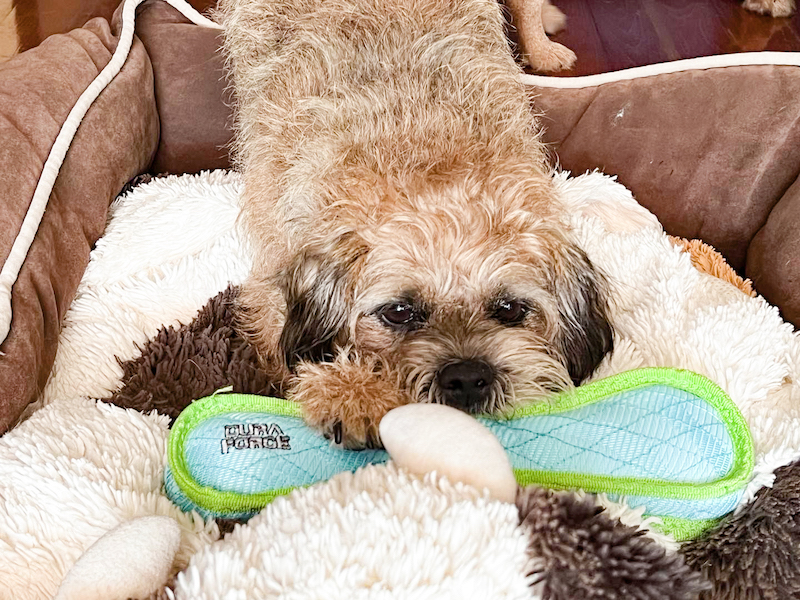
Doggy play styles also differ and it’s beneficial to know if your dog is a tugger, chewer, hoarder, chaser or snuggler. Dogs in Hong Kong that have anxiety triggered by boredom and separation can find relief in being giving the right toys at the right time. A toy stuffed with yummy food will do wonders to settle your pet when you leave home, for example. Interactive toys like tug toys, meanwhile, are best kept for human-animal playtime when bonding occurs.
Toy durability, safety and mobility should also be considered, especially as choosing the right one makes for a happier dog.
“With the festive season coming up, there are lots of treats for pets available, including Christmas cake for dogs and ‘pup cakes’. How healthy are they?”
When it comes to what you feed to your pets over the festive season, common sense should prevail every time. Over my years as a vet, I have seen many animals with upset tummies, vomiting, diarrhoea and chocolate poisoning at this time of the year, as well as foreign bodies causing obstructions, and also fat overload in pets.
Usually, the problems lie with pet parents overfeeding their pets – though sometimes it can be a sneaky animal stealing foods they really shouldn’t eat! Traditional Christmas cakes are highly packed with calories and made from oils, fats, sesame seeds, Christmas mincemeat (a blend of currents, raisins and cherries), sweet treat fillings, salty eggs and pastry crusts, and are definitely a “no-no” for your pets.
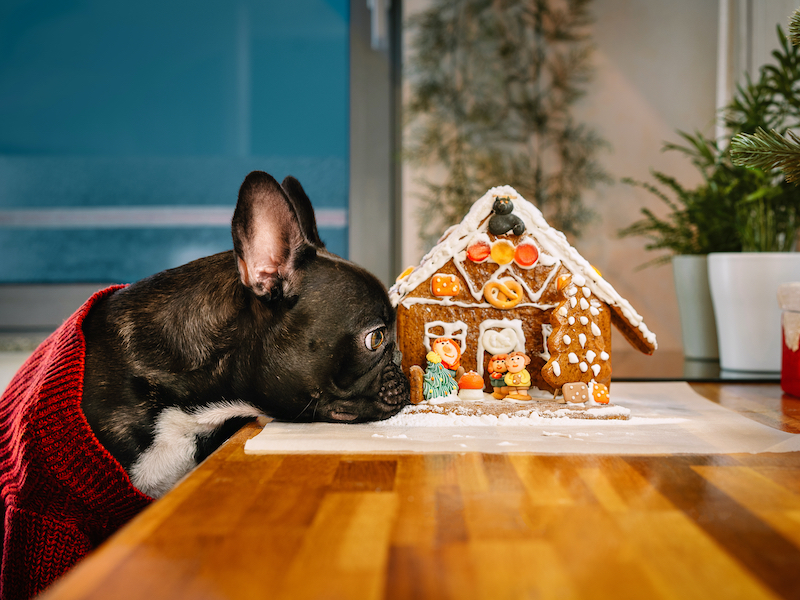
I can’t really comment on special Christmas cake for dogs and pets except to remind you about using common sense – don’t feed them treats that are likely to make them ill no matter how much your pet may like them or how strongly the advertising promotions recommend them to you. You’re unlikely to find “healthy” Christmas cakes – unless you make them yourself. I designed my own Christmas cake recipe for pets many years ago but I’m very lucky that my own dog loves lettuce and blueberries!
“My cat goes to the toilet much more frequently in winter or when it’s cold. Is there a reason he does this?”
I’d really like to know if your cat is an indoor or outdoor cat. Also, do these toilet habits involve both urine and faeces? In winter, just like we don’t want to go out when it’s cold or raining, often neither does your cat. If that’s the case, it may be simply that you’re witnessing what is normal toileting for your cat because he doesn’t go outside. Frustration, stress or anxiety can cause a cat to change their toileting habits. Any change in their routine, such as a new person or a new additional pet in the household, or moving to a new house, can lead to changes in toileting.
They may also “mark” spots in the house with their urine as a means of marking their territory. Many times with an outdoor or indoor cat, a new neighbourhood cat could be causing fear and distress to them. This can make them frightened to go outdoors. However, these things said, if your cat’s behaviour continues to be abnormal, and if there’s any visible straining to pass urine, or abnormal coloured urine is being passed, it could be time to have him checked by your vet.
About Dr Pauline Taylor (BVM&S MACVSc)
After graduating from Edinburgh University, Dr Taylor began practicing in Scotland, working with farm animals. She has since accrued over 30 years’ experience caring for animals in various places including the UK, New Zealand and Hong Kong.
Pets Central operates multiple Animal Clinics and Hospitals for the care of your dogs, cats and other pets in Hong Kong:
North Point Hospital | 2811 8907
Mong Kok Hospital | 2309 2139
Tseung Kwan O Hospital | 2244 6684
Sai Kung Hospital | 2792 0833
Park Island Mobile Clinic | 6223 0903
This article first appeared in Expat Living magazine. Subscribe now so you never miss an issue.