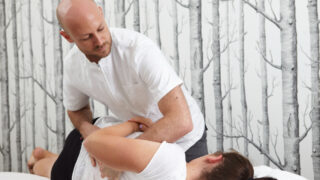
The team from Osteopathic Centre Hong Kong answers our readers’ questions, from tackling a sore knee from running, to why neck and shoulder pain might be stress-related.
#1 “What can I do about recurring outer knee discomfort when I run?”
With the sun shining and the country park trails filling up, many runners and hikers are increasing their time on uneven ground. Long descents, shifting terrain and accumulated fatigue can place new demands on the body – and for some, a sharp pain on the outside of the knee begins to appear, particularly on the way downhill.

You change your shoes. You rest for a week. The knee settles – only for the pain to return when you head back out. Why?
This familiar lateral knee pain is often labelled iliotibial band syndrome. But in practice, we rarely see it as a problem of the band alone. The iliotibial band is relatively non‑contractile – it doesn’t simply “tighten up” in isolation. More often, the issue lies in how load is being managed across the whole system. When the hips, trunk and ankle aren’t sharing load efficiently – especially under fatigue – stress can accumulate along the lateral knee.
For trail runners, first signs might be subtle: one hip feeling stiffer than the other on climbs, or a sense that one leg is working harder on descents. Some describe tightness through the front or side of the hip before the knee becomes symptomatic. These signals often indicate that load isn’t being distributed evenly – and the knee is simply where that imbalance becomes painful.
Changing shoes or foam rolling the outside of the thigh may ease symptoms temporarily, but unless the broader movement pattern is addressed, irritation often returns.
Often, the knee is not the primary problem – it’s the messenger. The aim isn’t simply to calm symptoms, but to understand why load is concentrating there in the first place, so you can return to the trails with greater resilience and fewer recurrences.
#2 “How can osteopathy help with headaches?”
Osteopathy can be a highly effective way to treat both new and long‑standing headaches – but success starts with a thorough diagnosis. Headaches often feel like they begin in the head, yet the true source of pain is often the neck, shoulders or jaw. Muscles and joints can become tight in these areas – for example, from poor posture, stress or an old injury – and compress or irritate nerves, making them more sensitive and reactive. This often creates pain far from the original source of tension, such as in the head and face. Understanding these subtle anatomical connections is central to osteopathy, allowing us to pinpoint the true origin of a headache rather than just treating where discomfort appears.
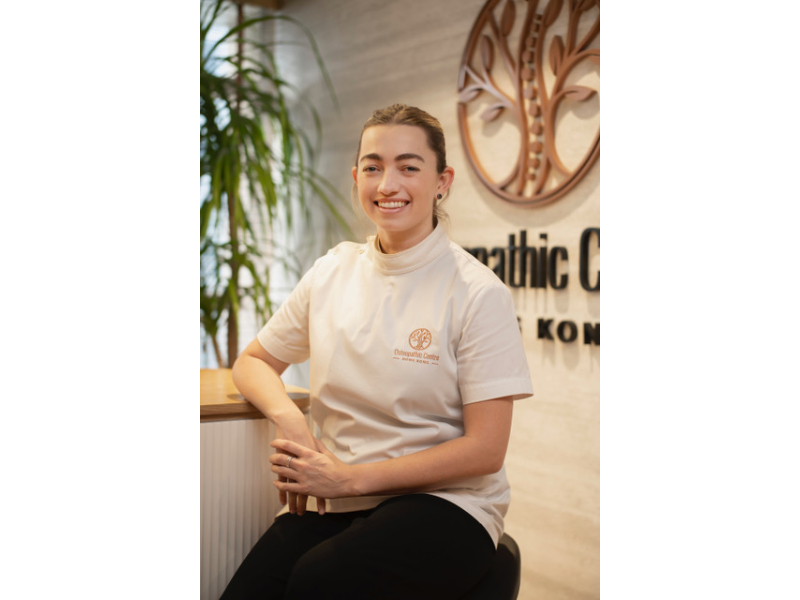
Informed by a thorough assessment, we use targeted but gentle, hands‑on manual therapy, to ease muscle tension, improve joint mobility and promote circulation to allow the body to rebalance and heal naturally
Headache types that often respond well to osteopathy include:
- tension headaches, from tight neck and shoulder muscles;
- cervico-genic headaches, originating from the neck’s joints and tissues;
- migraines, where improving circulation and reducing tension can lower frequency or intensity; and
- TMJ (jaw) related headaches, linked to jaw clenching.
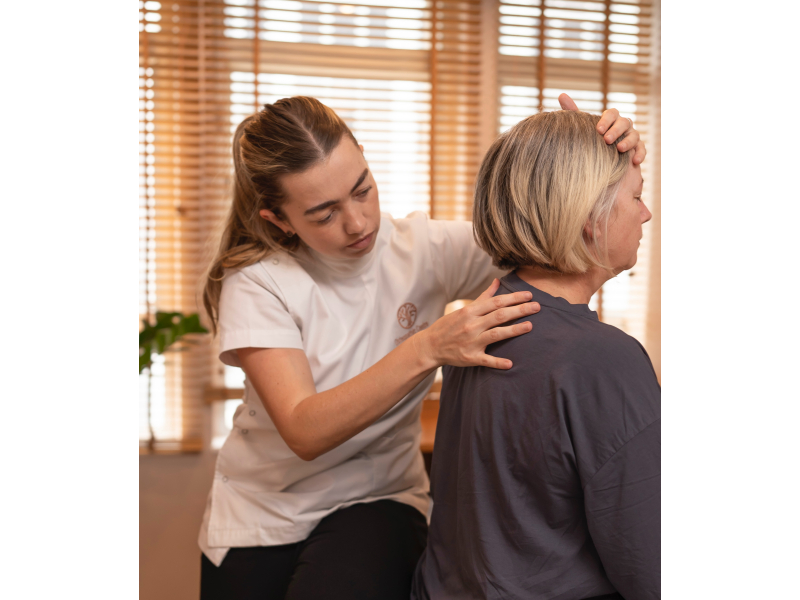
For those experiencing headaches, a clear diagnosis can lead to an effective plan – whether that involves osteopathic treatment, lifestyle adjustments or additional medical input. Once you understand the cause, small supportive changes can create big daily improvements. Stay well hydrated, check your desk posture, take time to stretch your neck and upper back, and, for migraines, use a cool compress and rest in a dark room.
#3 “I feel like I hold all my stress from work in my shoulders. Is this true?”
This is something that osteopaths in our clinic hear very often; and yes, it’s partly true. Many people find that when life becomes stressful, they start to feel the physical effects in addition to the mental – particularly through tightness, aching muscles or restriction around the neck, shoulders and upper back. This is a natural bodily reaction to emotional or psychological strain.
When you experience stress, whether from work demands, personal pressures or environmental factors, your body activates its “fight or flight” response. This process releases stress hormones like adrenaline and cortisol, increasing heart rate and contracting muscles to prepare the body for action.
The muscles around the neck and shoulders are especially prone to tightening during this response, as they play a key role in protective postures – think shoulders raised, chest tight, breathing shallow, jaw clenched.
While short-term tension is normal, chronic or unrelieved stress keeps those muscles semi-contracted for long periods. Over time, this can lead to reduced joint mobility, stiffness, tension headaches, jaw discomfort and even altered breathing patterns. You might also notice changes in posture, digestive irritation or fatigue as the body compensates for ongoing strain.

So, when you say you “hold stress in your shoulders”, you’re describing a real and common mind-body connection. Utilising a holistic approach, we can develop effective management strategies to regulate and balance, supporting both your mental and physical wellbeing.
Osteopathic Centre Hong Kong – appointments available in Central and Quarry Bay.
WhatsApp 9692 2205 | www.ochk.hk
This article on osteopathy in Hong Kong first appeared in Expat Living magazine. You can buy the latest issue or an annual subscription, or read the digital version for free now.
Interested in knowing about editorial options for your company? Email us at advertising@expatliving.hk.