
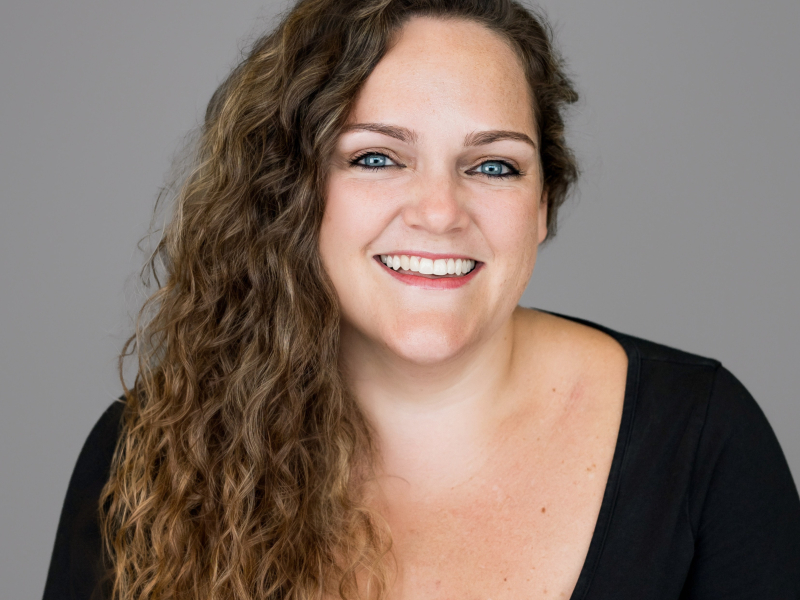
We find out from CARLY BUNTIN, Primary School Assistant Principal and Curriculum Coordinator at Hong Kong Academy (HKA), the key factors in the school’s approach to teaching its younger students. She also shares some of the benefits of play-based learning in early education.
Early Education at HKA
Playgroup: 2 years old by 31 August of enrolling year.
PreK: 3-4 years old by 31 August of enrolling year (and fully toilet-trained).
Kindergarten: 5 years old by 31 August of enrolling year.
Grade 1: 6 years old by 31 August of enrolling year.
Tell us about the campus and how it’s set up for early learning.
HKA comes from humble beginnings. But we now have a beautiful big campus, with a dedicated early childhood space where classrooms are set up to be a “third teacher” and encourage curiosity. As soon as the children walk in, they’re given independence to explore before they sit down and start their morning routine.
We also have a common area where the children can mix between PreK and Kindergarten. Our early childhood playscape includes a mud kitchen, gardens, a sand pit, climbing structures and swings, and bikes, balls and scooters. We’re also a sustainable school. So, we have a water play area outside where we use recycled rainwater. And obviously there’s plenty of space for running around.
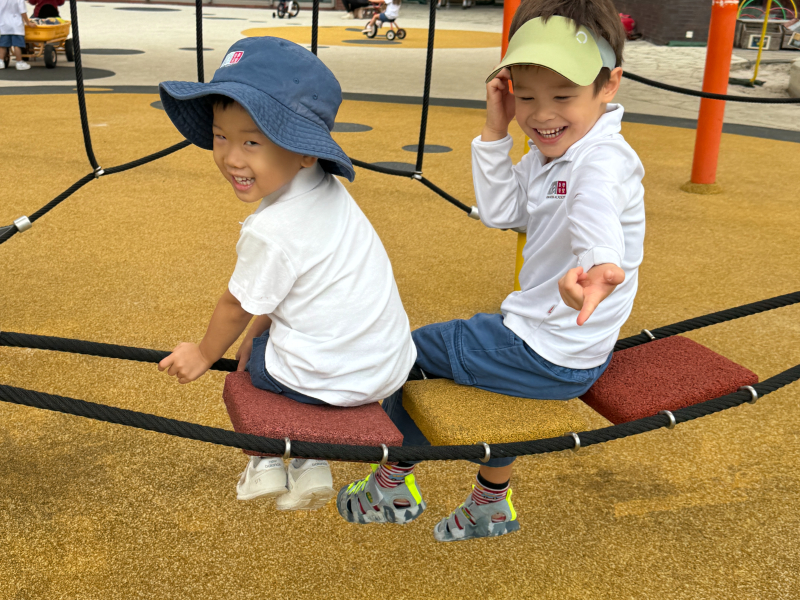
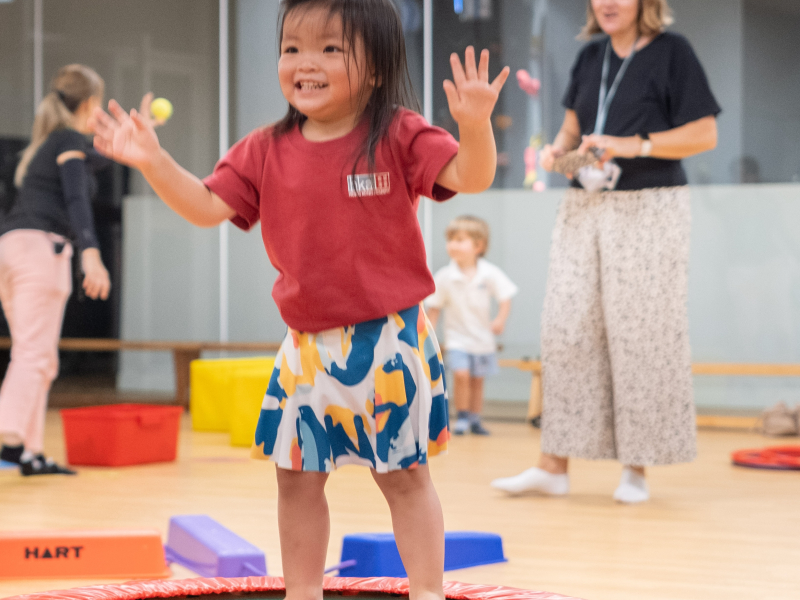
The fact that we’re a through school also sets us apart. So, early childhood children can use our state-of-the-art gym with a specialist PE teacher, or our music room with a specialist music teacher; sometimes Kindergarten kids will go into the high school science labs and engage with a high school teacher on a science unit.
How does HKA balance play-based learning with structured activities?
We very much believe that all children, regardless of their age, are capable, competent individuals. Our motto in Playgroup is “Wait, Watch and Wonder”. So, we encourage any adults accompanying the children to take a step back and allow them to direct their own learning – give them the opportunity to be curious and see what comes out of it. This lines up with our philosophy as an IB school; we believe in the power of inquiry and children learning through engaging and hands-on, interactive learning experiences.
At the same time, children find safety in routine, and routine builds structure and safety – and when children feel safe, they’re more likely to learn. In PreK, we balance these routines with big chunks of what we call “exploration time”; sometimes it will be indoors, and sometimes outdoors, but again it’s a chance for the children to use their imagination, engage with their environment, go where they see fit, and learn through play.
Even at Kindergarten, where it’s a full-day programme and more structured, with set times for literacy, mathematics, art and PE, the teachers are more like facilitators of learning; the children engage with these subjects in an inquiry-based manner that feels like play.
Nature is another key factor, right?
Yes, we try to bring nature into the classroom as much as possible. While we follow the PYP curriculum, we’re also Reggio-inspired in the sense that we value nature and what it can contribute to an early years’ classroom.
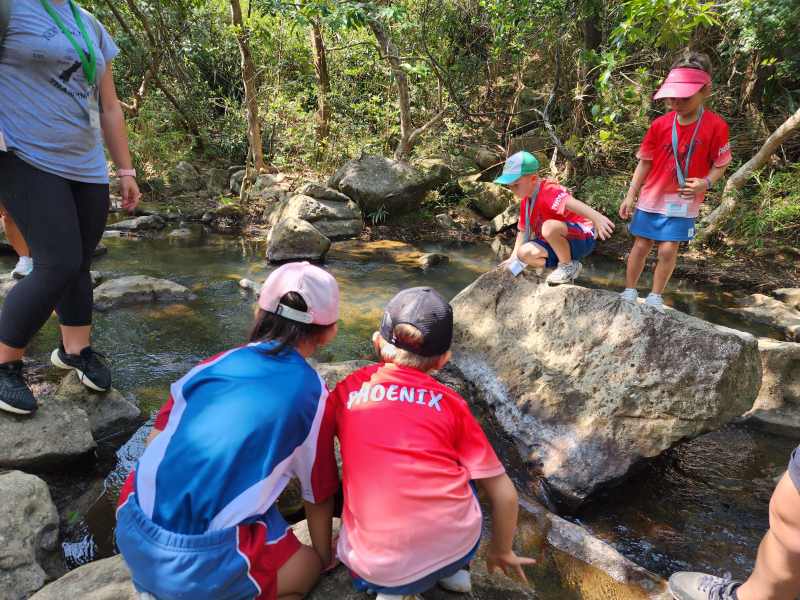
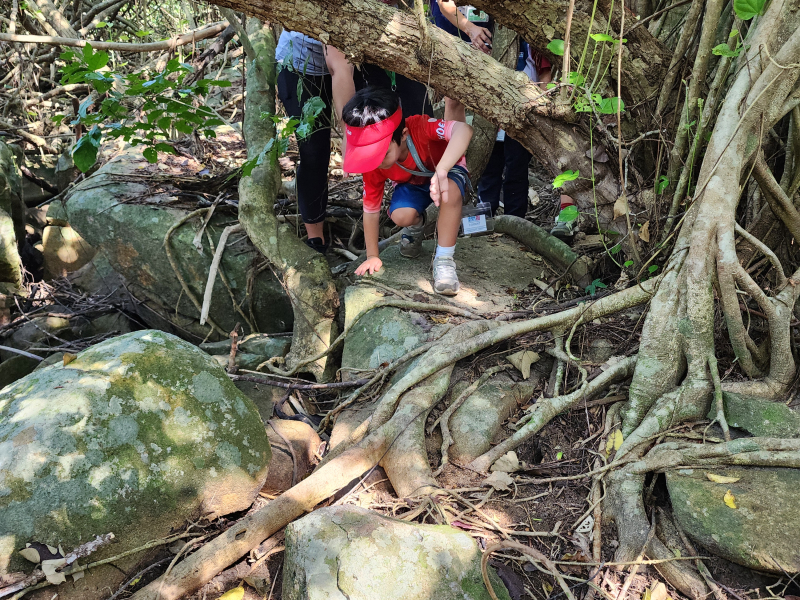
So, for example, teachers take the children out on nature walks around the campus. We let them find leaves, twigs and stones – maybe fill little baskets with them. Then they’ll excitedly bring these natural elements back to the classroom and use them in different ways – for example, in a counting activity or in art.
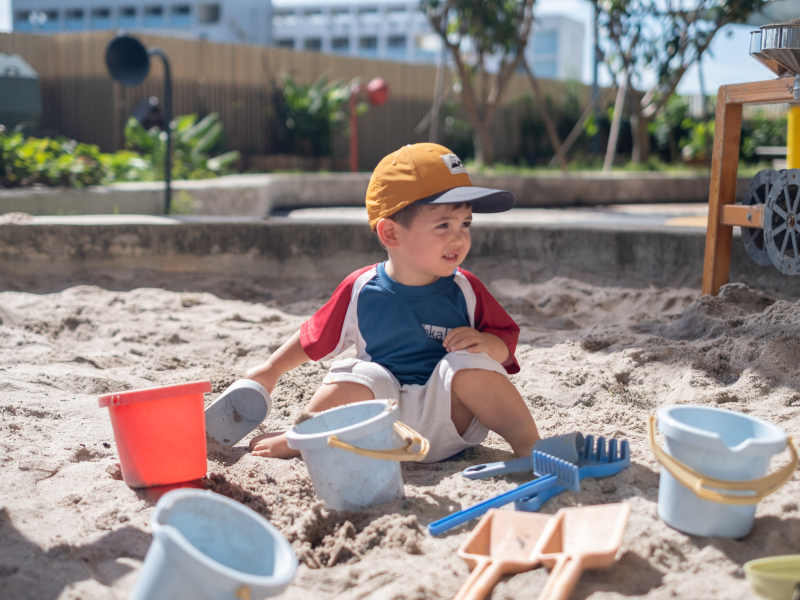
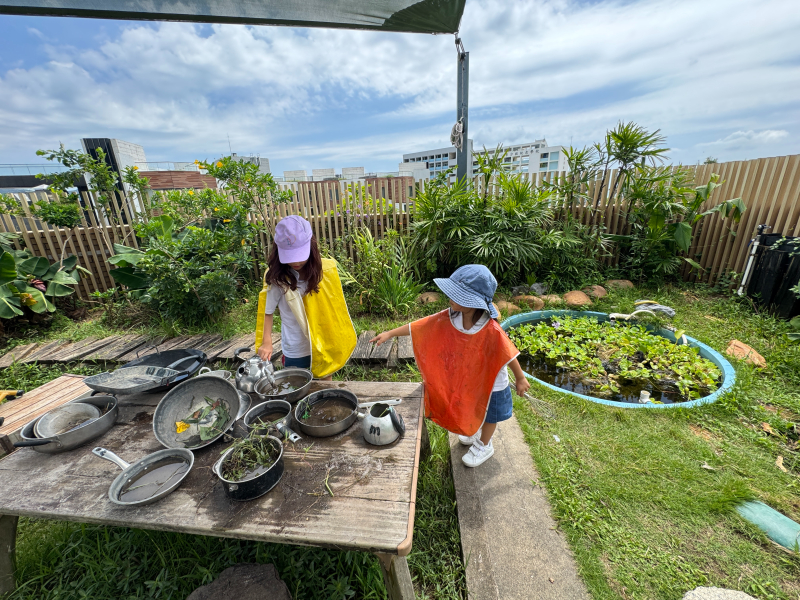
HKA teachers are wonderful at finding creative ways to engage the children with the social and natural world around them. And we’re so lucky with our Sai Kung location – we have the playgrounds, parks and swimming pool in town, the Lions Nature Education Centre close by, and the country park as well. In fact, Kindergarten are there right now! They went on a field trip today to Hoi Ha for their unit on sharing the planet and looking at local habitats.
How do you communicate with parents about their child’s progress?
Because we’re a community school, parents are very visible at the school. They’ll drop the kids off and stop to chat with teachers – and we welcome that. Teachers also get in touch from time to time on email or by phone, and we have formal conferences twice a year and a student-led conference at the end of the year where children lead parents through their learning space. Our Seesaw Digital Learning Journals allow parents to see photos of their children at school and discover what they’ve been doing and the concepts they’ve been following. And we share Summaries of Learning, where we formally report in writing to the parents and give an indicator of progress and development.
How do families get involved with the early learning process?
Parents are very involved at HKA, from “transition week” at the start of early childhood, where they can stay if their child is having trouble adjusting (or if they are struggling with the separation themselves!), to opportunities to support in the library, be a mystery reader in class, or help with cooking activities or science experiments. We started a water safety and confidence unit just this last year, and it involved a lot of support from parents and grandparents. The PTCO (parent-teacher community organisation) is very active; among other things, they organise our big Community Fair in November.
Anything new or notable that’s coming up for early education at HKA?
We’ve introduced a new curriculum this year in Primary. So, the PreK team, in looking at how the new standards meet the PYP framework, have created a new year-long science unit on forces. The aim is to further develop exposure to science and STEM in the early years. It’s been great to see the kids getting involved in this!
What’s your favourite part of the school day?
A key part of my role is to make connections and build relationships, whether it’s with students, parents or colleagues. So any engagement opportunity makes my day; from the bus bay in the morning, where I say hello to many parents at drop-off and check in with colleagues, to having lunch with the Grade 1 students each week and getting to know them better, I love connecting with people.
About Carly
“I grew up in Hong Kong, so I’m a third culture kid myself. My journey in education started at Hong Kong Academy, when I was fresh out of university. Then I moved to Melbourne to work at a school there for a couple of years. I came back to HKA before moving to an IB school in London, and then returned once again. I’ve now been back for 12 years. I beelined straight back to HKA because it feels so philosophically well aligned with my own values as an educator.
“Outside of school, I spend a lot of time with my two daughters, who are seven and ten. We have such a good time together – we all love the water and going swimming. I also like to cook and bake, or just get outside and go for walks.”
Hong Kong Academy is at 33 Wai Man Road, Sai Kung.
2655 1111 | hkacademy.edu.hk
This article first appeared in the Winter 2025 issue of Expat Living magazine. You can purchase the latest issue or subscribe so you never miss a copy!