
If you’re an aspirational 30- or 40-something expat living in Hong Kong, its time to start thinking about retirement planning. Here are six tips on how to save the funds you need for a comfortable retirement, courtesy of HOWARD CLARK-BURTON, the CEO of BMP Wealth.
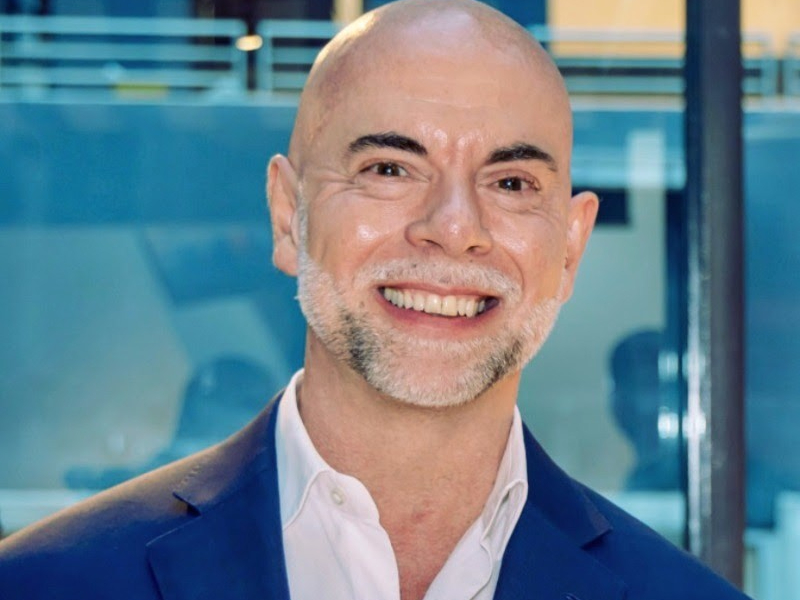
A successful expat in Hong Kong might not feel like retirement planning is a top priority. Perhaps you’re enjoying city life, earning a higher income and paying lower taxes than in your home country?
However, while it might feel like you’ve got all the time in the world to build and grow your wealth, early planning is crucial if you want to enjoy a comfortable retirement lifestyle. Waiting until you’re 50 or 60 could leave you with too little time to accumulate the funds you need.
That doesn’t mean you can’t enjoy yourself in the short term; you just need to achieve a balance between spending and saving. In fact, investing in your future now could make the good times even more fun, as you’ll have peace of mind that your retirement is taken care of.
Here are our top tips for good retirement planning:
#1 Set clear and meaningful retirement goals
When you’re young, fit and at the peak of your career, retirement may seem like a long way off. As such, you might not have given much thought to how you’d like your life to look after you leave work behind.
If this sounds like you, the first step towards creating a robust financial plan for retirement is to set clear and meaningful goals. It might help to consider:
- when you want to retire;
- what standard of living you expect to have; and
- what you’d like to do during your retirement.
Knowing what you’re aiming for could help you make key financial decisions, set measurable targets and gauge your progress.
Moreover, if you can clearly articulate your retirement vision, your financial planner will be better placed to create a tailored roadmap for getting you there.
#2 Make the most of the Mandatory Provident Fund
The Mandatory Provident Fund (MPF) is a compulsory retirement-savings scheme for working individuals in Hong Kong. It covers most employees and self-employed people aged between 18 and 64 who have worked in Hong Kong for a continuous period of 60 days or more.
As a new employee, you won’t have to make contributions to an MPF for the first 30 days of employment.
After this, both you and your employer will be required to contribute five percent of your relevant income, subject to the minimum and maximum relevant income levels. Monthly contributions are capped at $1,500 each (from you and your employer) if your income is $30,000 or above (2025/26).
You might want to consider boosting your MPF while you’re at the peak of your career and earning potential by making Tax-Deductible Voluntary Contributions (TVCs) of up to $60,000 each year. This might not sound like a lot, but over time, it could significantly enhance your pension fund.
Also, compare the employee package offered by different companies, as some employers choose to pay more than the mandatory five
percent into their employees’ MPFs.
#3 Ask your employer if they offer a corporate pension scheme
Some Hong Kong-based companies offer corporate pension plans or retirement benefits above and beyond the MPF. For example, you may be able to join a workplace pension scheme or an Occupational Scheme offered by your employer. Contributing to a workplace pension – in addition to an MPF – could significantly boost your long-term retirement pot, especially if you stay with one employer for several years.
Indeed, such schemes are often available subject to your length of service. You’re also more likely to find them in large corporations, financial institutions and professional firms.
#4 Manage and nurture your previous pensions
If you’re in your 30s or 40s, there’s a good chance that you’ve paid into one or more pensions before. However, when you move abroad or switch jobs, it can be easy to lose track of the pensions you hold in different countries or with previous employers.
Make sure you have a full picture of your pension wealth by gathering information on all the schemes you belong to. You’ll need to periodically review your pensions to ensure they align with your retirement goals.

Alternatively, consolidating your pensions into a single pot might be a cost-effective and convenient way to monitor and manage your savings. For example, in the UK, you could combine lots of small pension pots into an international self-invested personal pension plan (SIPP).
However, consolidation has some potential drawbacks, so it’s essential that you speak to a financial planner before moving your pension funds.
#5 Aim to save at least 30 percent of your disposable income every month
Don’t wait until the end of the month to see how much money you’ve got left in your account before moving some to your savings and investments.
This is likely to lead to erratic saving, which could make it harder to achieve your medium- and long-term goals.
Instead, plan to transfer at least 30 percent of your disposable income each month to your pensions and other investments. Automating payments so that a percentage of your salary and bonuses goes directly to your retirement fund each month can help build a strong savings habit.
In other words, having the discipline to pay yourself for your future first each month before you spend elsewhere could also reduce the risk of overspending, which may be tempting in such an exciting city as Hong Kong.
Moreover, if you’re upwardly mobile and currently have no children, you might have more disposable income now than you’ll have in any other stage of life. As such, it’s a perfect opportunity to invest in your future without compromising your financial freedom in the short term.
#6 Prepare for the unexpected
You might feel young and invincible now, but unfortunately no one knows what’s around the corner. Life is typically full of unexpected events, and any one of these could derail your retirement plans – unless you put a financial safety net in place.
Our financial planners can help you plan for the “what ifs”, such as, “What if I become seriously ill and am unable to work for an extended period?”
Understanding how such life events could affect your retirement planning could allow you to put strategies in place for protecting your long-term financial wellbeing. This might include taking out adequate critical illness cover or investing in private health insurance.
Whatever stage of life you’re at, we can help you identify your retirement goals and create a roadmap for achieving them. Your BMP Wealth financial adviser will review your financial plan every year to ensure that you stay on track and adjust for any changes in your circumstances or aspirations.
To find out more, email info@bmpwealth.com, call 2905 9041 or visit bmpwealth.com.
This article on retirement planning first appeared in Expat Living magazine. You can buy the latest issue or an annual subscription or read the digital version free now.
Want your company to be in this round-up, or interested in knowing about other editorial options? Email us at advertising@expatliving.hk.