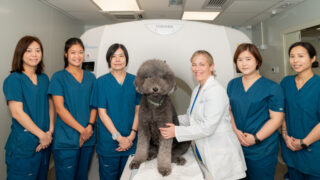
We check in with American vet DR LAWREN DUROCHER-BABEK from Veterinary Specialty and Imaging (VSI), and get her thoughts and advice on having a cat in Hong Kong, including looking after both their physical and mental health.
Do you treat more dogs or cats in Hong Kong? Are there particular breeds of cat that you see more commonly here than elsewhere?
We see a fairly even mix of dogs and cats at our clinic, so it doesn’t feel like one population dominates. What does stand out is that I tend to see more purebred cats here than I did in other parts of the world – especially British Shorthairs and Exotic Shorthairs. That concentration of certain breeds shapes the types of issues I’m seeing, too, because breed traits (like face shape) can affect breathing and overall health.
What are some common health issues you see in cats in Hong Kong?
In terms of day-to-day complaints, respiratory problems are definitely a big one – particularly cats with chronic nasal discharge or ongoing upper airway inflammation. This is partly environmental – air quality and humidity can contribute to chronic irritation. But I also think the pattern has become more noticeable since the pandemic. One factor may be an increase in popularity of brachycephalic cats (those with flatter, “squished” faces). This anatomy predisposes them to upper airway inflammation and congestion, so even mild triggers can become chronic.
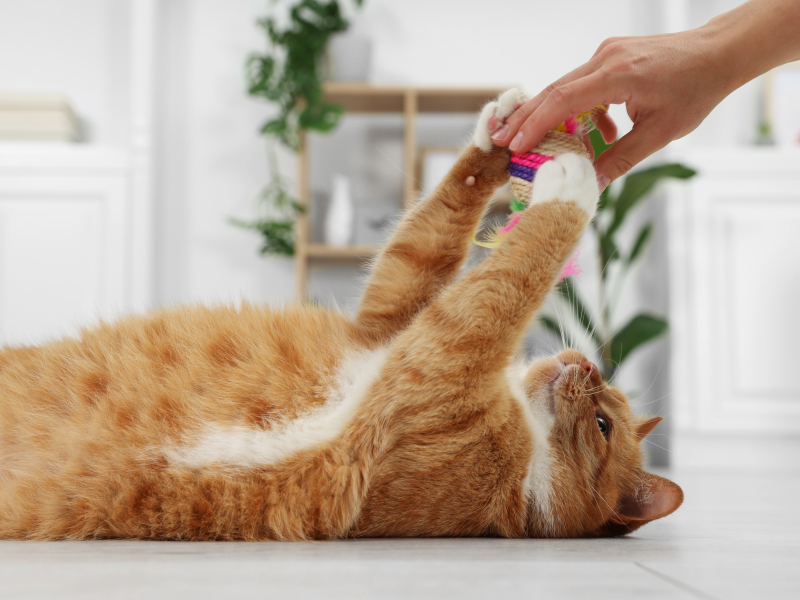
Beyond that, I see plenty of cats with chronic vomiting and diarrhoea, and chronic kidney disease is also common as cats get older. Interestingly, I see less hyperthyroidism than I did in the US, which has been a noticeable difference for me.
Infectious diseases also come up more often here – particularly panleukopenia and FIP. I think part of that relates to the reality that many cats live in smaller spaces, sometimes with multiple cats in the same household, which can make transmission easier.
Summer is upon us: does the humidity in HK affect the skin, coat and overall health of cats?
One of the big conditions I see more often in warm, humid weather is ringworm, a fungal skin infection. The environment here makes it easier for fungi to persist and spread, so it’s something cat owners in Hong Kong should keep an eye out for, especially if they notice patchy hair loss, scaling, or recurrent skin irritation.
Many cats in Hong Kong live indoors in small spaces, and often in a busy urban environment; can this be stressful for them? Are there tips for keeping their physical and mental health in tip-top shape?
Indoor living is stressful for cats in any city – but Hong Kong adds extra pressure because many households include multiple cats in a smaller footprint than what we typically consider “ideal”. When cat density goes up, stress rises too.
That stress often shows up as urinary issues and behavioural problems – aggression is a big one. So, my advice is to “design the household for harmony”. The simplest, most evidence-based change is to increase litter boxes: I recommend one more litter box than the number of cats in the home. Also, try to keep the number of cats in a household at a sustainable level based on the size of the space.
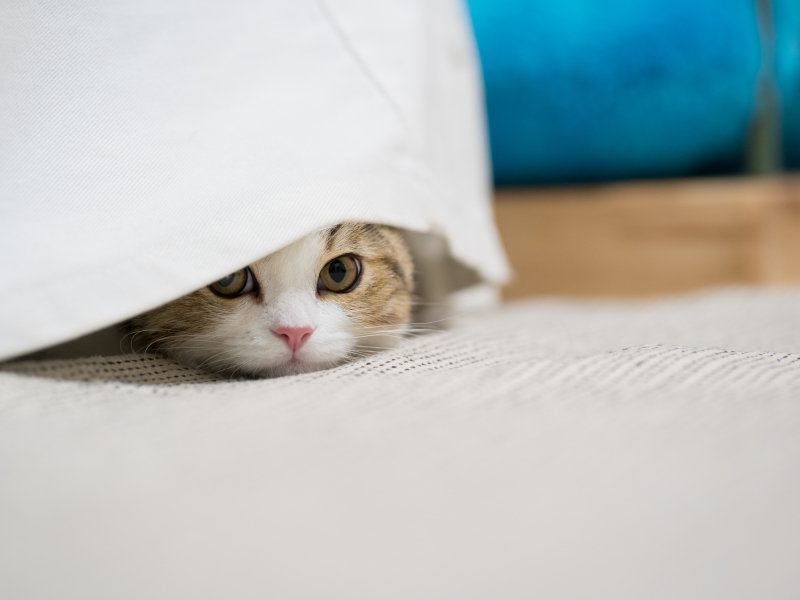
For mental health, you can make a surprising difference with enrichment – interactive play sessions, providing safe areas where they can look out windows (cats love window hammocks), and even leaving the TV or radio on for background stimulation. And, of course, consistent attention and playtime go a long way.
What are the recommended vaccines for cats in Hong Kong, and how often should they be given?
Once a cat is fully matured – typically over two years of age – I generally recommend boosters every three years for core vaccines such as feline distemper (panleukopenia).
Rabies is also important; while a rabies vaccination is not required by law for cats in Hong Kong, if you’re planning on travelling with your cat to a different country, they must be vaccinated beforehand.
Obesity can be an issue with indoor cats – do you have any tips or guidelines around feeding cats?
It can be really challenging to get a cat to lose weight, which is why I focus heavily on prevention. The best approach is to keep cats active and to feed the amounts on the food label as a starting point. If you notice your cat gaining weight, the next step is simply reducing calories. Each cat is different – some cats have slower metabolism than others – so it’s less about comparing to other cats and more about monitoring your individual cat’s body condition over time.
Do you recommend regular health screenings for cats, or check-ins at a particular age?
Yes, definitely. I recommend yearly examinations and health screenings for all cats. As cats get older, I become more proactive: once they reach 10 years old, I recommend two vet visits per year, with blood work at least once annually (and often more frequently depending on what we find).
The team at VSI sees cats for internal medicine issues as well as end-of-life and palliative care. They provide ultrasound, endoscopy and CT services, as well as management of chronic internal medicine issues.
VSI is at Shop 103A, Victoria Centre, 15 Watson Road, Fortress Hill.
3610 9121 | [email protected] | hkvsi.com
This article about caring for your cat in Hong Kong first appeared in the Summer 2026 issue of Expat Living magazine. You can buy the latest mag or an annual subscription, or read the digital version for free now.