
South African GRANT SANDERS has lived in Hong Kong for 22 years. He’s the founder of Recovery852 and a wellness coach, accredited addiction professional and interventionist. We find out from him what an intervention programme entails, and the role that family members and friends play in the process.
Tell us about your business; when and why did you start it?
Recovery852 was launched in 2017 to provide personalised support in response to the growing demand for addiction recovery services in Hong Kong. Initially, the organisation offered sober-escort services to individuals travelling to rehabilitation facilities in Southeast Asia, South Africa and beyond. From these humble beginnings, we have grown, expanding our services and reach.
What’s the difference between rehab and an intervention?
Rehab is primarily a structured, clinical treatment programme for substance abuse that provides different types of individual counselling and therapy groups – for example, process, trauma and psychoeducational groups. These are led by licensed professionals and therapists who combine evidence-based modalities, counselling, medical care and behavioural therapies. It can be outpatient or inpatient residential treatment.
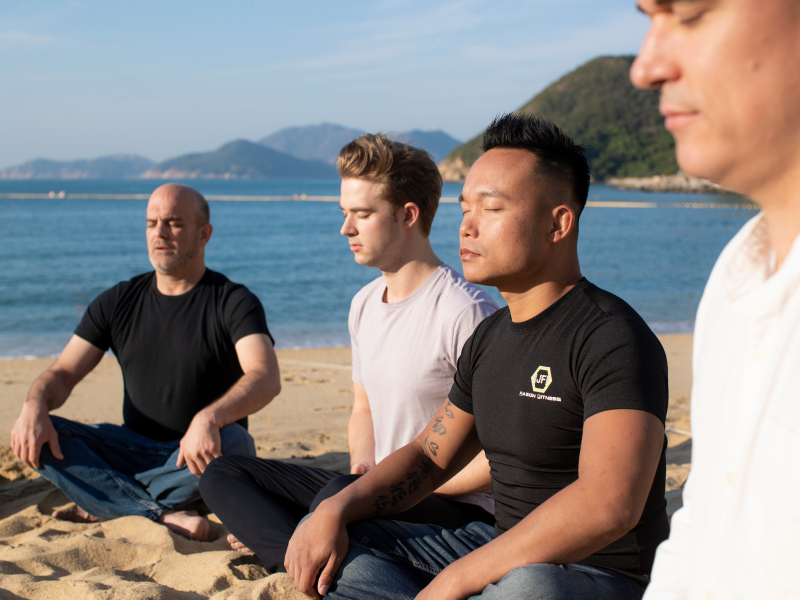
Rehab provides a space where individuals can be separated from substances, triggers and the stress of daily life so they can solely focus on getting well, free from distractions.
An intervention is a carefully planned meeting organised with family, significant others, friends or employers. Interventions are usually conducted without the addicted person knowing, so there is that element of surprise. I have done interventions at people’s homes, industrial buildings and hotels.
What’s the aim of an intervention?
The sole aim is to raise awareness of how the addicted person’s behaviour is causing harm to themselves and significant others. In most cases, it’s primarily a substance misuse problem, but it can also be a behavioural or process addiction like sex addiction, gambling or an eating disorder, for example.
What planning is involved?
As much as possible. The family or other concerned parties need to be educated and guided. In some cases, however, this is not possible due to time constraints. I brief them on what to do and how to respond, and I also go through treatment options. Participants plan what they want to say and set boundaries; I often ask them to prepare letters to read.
The next step is to find a private or appropriate location, usually at their home. Things like timing and logistics need to be thought through and set up beforehand. For a successful intervention, education, timing and surprise are key.
It’s also critical that the person is either sober or recovering from a binge. There is no point conducting the intervention when they are under the influence of alcohol or other substances, as this can pose a number of risks and personal safety challenges, for instance. My professional experience shows that they are more likely to agree when the effects of alcohol or drugs are wearing off.
What does a Recovery852 intervention look like?
Everyone gathers in the pre-planned, non-threatening setting – in some cases, the person agrees to come in with a significant other, and the intervention is conducted at my office in Causeway Bay.
I start the proceedings by talking to the person and explaining my role and why I am there. The person is informed that we have gathered to discuss a serious concern. One friend or family member then speaks at a time, expressing how the person’s addiction has affected them personally.
Profanity and threatening behaviour are not encouraged, as they can derail the process. Tone and empathy are critical; accusatory and aggressive confrontations must be avoided at all costs. Participants must remain respectful despite raw, difficult emotions, and share their concerns by focusing on facts, not judgements; so, “You missed Ava’s wedding”; not “You’re responsible for letting her down or embarrassing her and that’s unforgivable.”
Participants explain what life will look like if treatment isn’t accepted. Examples may include reduced or no contact, financial boundaries, leaving the relationship, limited or no contact with children, divorce, or termination of employment.
During the intervention, we seek the truth and attempt to find a solution to the problem. Essentially, it’s an act of compassion, love and care. Consequences, as well as specific events and episodes of unmanageability, chaos, crisis and conflict, are clearly presented to the individual. In some cases, ultimatums are given, but it’s important that the person is motivated to get help rather than be threatened – prioritising their safety and confidentiality is vital, as is avoiding pressure or manipulation.
I use evidence-based modalities when conducting interventions; the Johnson Model and Motivational Interviewing are two examples. Both are non-confrontational and increase the person’s readiness to seek treatment and initiate change, emphasising concern and care rather than blame or shaming.
What happens next?
The person is then presented with treatment options and asked what they would like to do. I aim to secure their commitment during or after the intervention. If they agree to get help, we start the process immediately. Sadly, some choose not to get help, and they may end up being institutionalised or worse.
In successful interventions, the person agrees to go to a residential rehab facility or to do outpatient treatment. Interventions precede treatment, but interventions are single events, not ongoing treatment. It’s an opportunity to offer help, support and transparency, and many accept the help. Shame dies in the light of exposure, and the majority acknowledge that they need to change.
Do interventions work?
People reach out to me as a professional interventionist both in Hong Kong and the Asia-Pacific region. I have conducted successful interventions in expat communities in Singapore and the Philippines. To date, my success rate is about 85 percent. I strive to get favourable results, and many individuals are living honest, healthy and productive lives without the need to act out in their addiction.
Why do you think people in Hong Kong might be prone to addiction?
Two common threads that I have found that make people prone to addiction in Hong Kong are stress and unresolved trauma. Anxiety and depression are also common; the instant gratification substances provide ultimately make these mental health issues worse. It’s a short-lived stopgap measure that leads people to seek more, creating a tolerance issue.
What advice would you have for someone who has been thinking about getting help for an addiction but has yet to act?
The fact that the person is even thinking about getting help is significant. It’s a very good and positive sign. That awareness or acceptance that something is wrong is often the hardest part. The courage to change is strength, not weakness. It all starts with one action: sending a WhatsApp message or picking up the phone and calling.
Recovery852 offers a comprehensive range of treatment and support options:
- 6-week Outpatient Recovery Programme: A personalised plan for clients who cannot attend residential rehabilitation abroad due to financial constraints, work or family commitments.
- Residential treatment in Southeast Asia: 30-, 45-, 60-, and 90-day stays in a holistic, safe and healing environment.
- Individual therapy sessions: Available in 10- or 5-session packages.
- Interventions: Structured, professional intervention services.
- Sober escort: Transportation to and from rehabilitation facilities around the region and beyond.
- Sober companion services: Ongoing support and care for clients as needed.
- Education and support: Substance-abuse education, relapse-prevention training, and peer-support groups.
Find out more at recovery852.com.
This article about addiction interventions in Hong Kong with Recovery852 first appeared in the Summer 2026 issue of Expat Living magazine. You can buy the latest mag or an annual subscription, or read the digital version for free now.