
For some, the idea of seeking support for burnout or addiction in Hong Kong feels too close to home. Life here can be full-on – long hours, constant pressure and a jam-packed social calendar that often revolves around drinking. It’s a “work hard, play hard” culture that can quickly tip into burnout and, for some, alcohol addiction or substance abuse. So what happens when you realise you might need a proper reset – and you’d rather not do it in your own backyard? Increasingly, the answer is Thailand.
World-class clinical standards
Centres like The Cabin Chiang Mai are specialised medical facilities licensed by the Ministry of Public Health. They use internationally trained doctors and counsellors, offering the same level of care you’d expect in London or New York – but in a private setting where no one knows your name. For many, that combination of expertise and discretion is key, allowing them to focus fully on recovery through residential addiction treatment and getting their lives back on track.
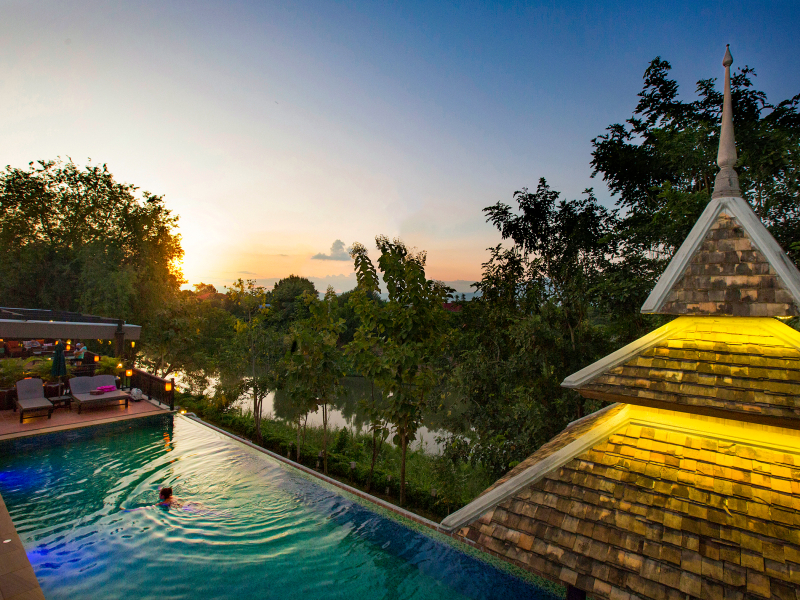
It’s not just about getting away (though that helps). It’s about stepping out of your usual environment entirely – the routines, the people, the expectations – and creating the space to recalibrate properly. Thailand makes that easier: it’s around a three-hour flight from Hong Kong, yet far enough to feel like a clean break.
The case for getting away
Hong Kong’s expat circles can feel small, especially in certain industries, and seeking support locally can come with a level of visibility some high-profile individuals would rather avoid. Being somewhere new offers a sense of anonymity – and the freedom to focus on what actually matters.
“For many of our clients from Hong Kong, it’s about having the space to step out of their day-to-day environment and focus on themselves without distraction or pressure,” says Ryan Erispe, Clinical Director at The Cabin Rehab.
More than just therapy
The Cabin Chiang Mai, which has treated over 7,000 patients, feels worlds away from Central – and that’s the point. It’s quieter and greener, and the environment itself helps dial things down.
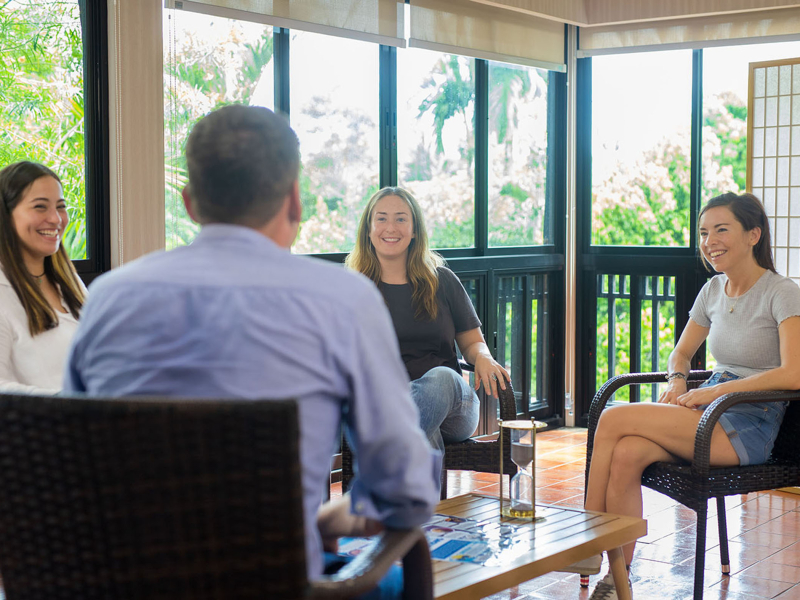
Elite recovery is built on a holistic, “whole-person” approach, combining therapy, coaching and lifestyle support. Beyond traditional Cognitive Behavioural Therapy (CBT) and the 12-step method, clients have access to physical conditioning, nutritional therapy, and private villa-style accommodation. A high staff-to-client ratio ensures that every aspect of an individual’s health is managed simultaneously.
Support beyond the stay
The return is often the hardest part. The same job, the same social scene, the same expectations – it all comes back quickly. The Cabin’s aftercare programmes can make a real difference here, helping people stay connected to support once they’re back in Hong Kong and easing that transition.
This includes online therapy and support groups while navigating the return to work. And because Thailand is in a similar time zone to Hong Kong, it’s much easier to stay in touch with counsellors.
Time to do it properly
Cost is another factor. Compared to programmes in the US or UK, centres in Thailand tend to offer longer stays and more one-on-one support at a lower overall cost. “That flexibility can make a real difference – it allows people to stay for as long as they actually need, rather than cutting treatment short for financial reasons,” says Ryan.

At places like The Cabin Chiang Mai, programmes typically run from four to 12 weeks, with the option to extend to 60 or even 90 days. “This additional time is often where the deeper work happens – and the key to long-term recovery,” he adds.
thecabinchiangmai.com | thecabinhongkong.com.hk
theedgerehab.com
This article on programmes for burnout or drug and alcohol addiction at rehabilitation centre The Cabin first appeared in the Summer 2026 issue of Expat Living magazine. You can buy the latest mag or an annual subscription, or read the digital version for free now.