
In our quarterly print magazine, DR PAULINE TAYLOR of Pets Central answers readers’ questions on pet care. In this recent instalment, she talks about the creepy-crawlies in Hong Kong that are best avoided if you have pets.
What are some dangerous insects or venomous snakes in Hong Kong to keep pets away from?
Most dogs love a walk, taking in the sights and smells along the way. However, there are snakes and insects they can encounter that can cause pain, anxiety or stress – or worse, an injury that can in some cases be life-threatening. Whether it’s on land, beside freshwater streams, on beaches or in the home, here are a couple to be aware of.
# Snakes
Around November each year, snakes in HK start to hibernate (or brumate). Of the 14 venomous snakes in Hong Kong, eight can inflict fatal bites if they’re not treated in time. These include the krait, cobra, viper and keelback, with the Many Banded Krait and King Cobra being the most dangerous.
If you encounter a snake on a walk, stay calm! Don’t shout, run or move quickly. Leash your dog if it’s off the leash, then back off from the encounter. A snake needs space and will slowly move away rather than attack. Never provoke a snake as it’s always possible for it to defensively attack.
There’s no easy way to tell venomous from non-venomous snakes, because identification can be difficult at the moment of encounter. Take a photo of the snake if it’s safe to do so – this can help if you or your dog is bitten and requires treatment. Should this happen, call the closest veterinary hospital and check if they have snake antivenom. They can then be prepared upon your arrival. Alternatively, they can help you find a treatment centre that’s better equipped to treat snake bites.
# Centipedes
Scolopendra dehaani, or the giant Vietnamese centipede, is the most prominent giant centipede species found in Hong Kong – usually in rural and green areas, like Sai Kung, Lamma Island and The Peak. These creatures can enter homes and are regularly found in human beds; they would gladly bury into your pet’s blankets, too, and then bite when disturbed.
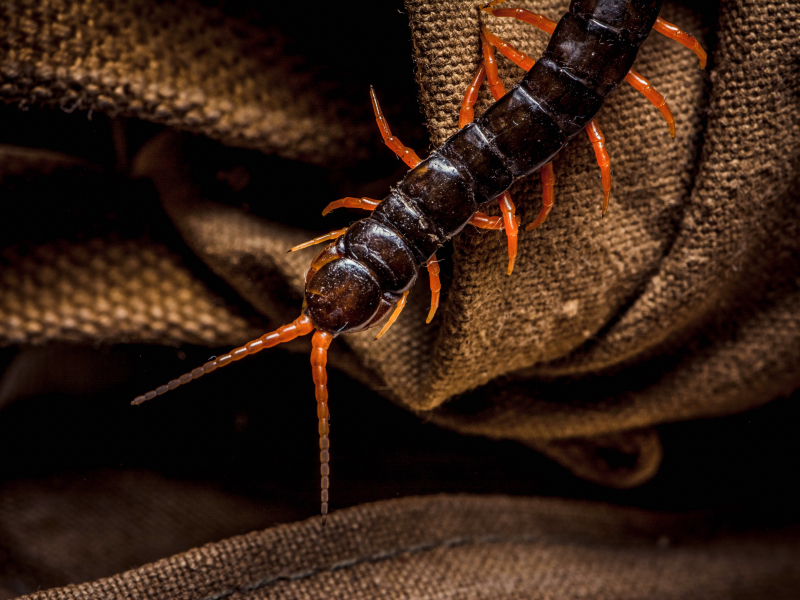
These red/brown creatures grow up to 20cm long and as wide as a human thumb. And they move amazingly quickly! Their normal diets include cockroaches, spiders, small insects and even pinkie rats but they can be harmful to you and your pet, too. The giant Vietnamese centipede is aggressive, with a potent neurotoxic venom that it delivers via specialised front legs called forcipules. Bites are most common at night during warmer months and can cause severe localised pain and swelling, sometimes accompanied by headaches or dizziness.
While rarely fatal to humans, bites pose a greater risk to small children or those with allergies – and to pets. In the case of bites, clean the wound and apply a cold compress for pain relief. Immediate medical attention is recommended for severe symptoms or for high-risk pets.
# Millipedes
Hong Kong is also home to millipedes. While they look similar, millipedes aren’t poisonous and tend to live outdoors. However, many species have glands capable of producing irritating fluids that can cause allergic reactions in some individuals or pets. They’re more annoying to have around than likely to cause harm though.
Pets Central operates multiple Animal Clinics and Hospitals in Hong Kong.
North Point Hospital | 2811 8907
Mong Kok Hospital | 2309 2139
Tseung Kwan O Hospital | 2244 6684
Sai Kung Hospital | 2792 0833
Park Island Mobile Clinic | 6223 0903
This article first appeared in the Winter 2025 issue of Expat Living magazine. You can purchase the latest issue or subscribe so you never miss a copy!