
Burnout, booze or being far from home – for many reasons, more expats are quietly seeking recovery and help through a rehab programme or heading to a wellness centre. But what really happens during these programmes?
Between high-pressure jobs, relocation fatigue and the pressure to always be “fine”, expat life can take a toll – sometimes quietly, sometimes all at once. We speak to the founder of a leading rehab and wellness centre in Thailand, The Cabin Chiang Mai, along with a former client, about what a typical week looks like – and why it’s less about rock-bottom, and more about resetting your life.

Let’s start with the basics – what actually brings people into rehab?
People often arrive exhausted. They may be drinking too much, using prescription meds, or just feeling emotionally flat. Often, it’s not one big crisis – it’s a slow, quiet burnout.
What’s the typical structure of a one-week rehab programme?
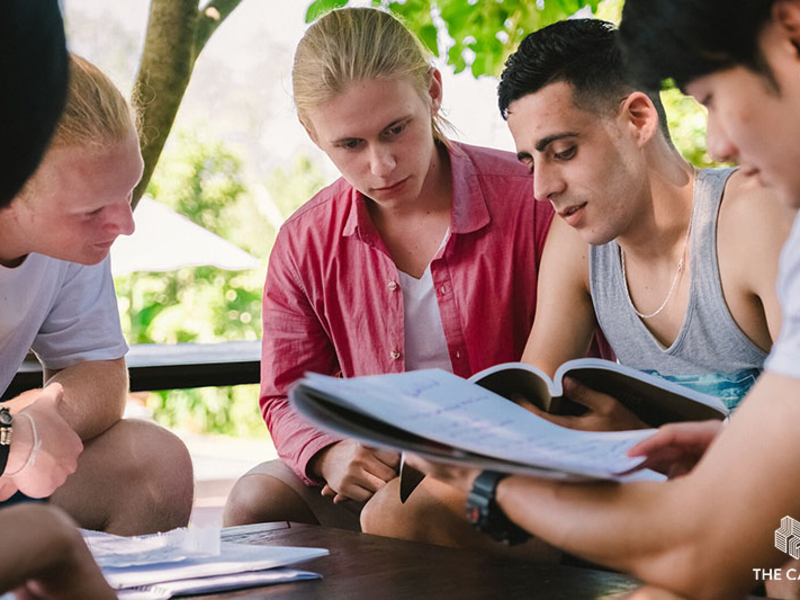
Each day blends clinical therapy, mindfulness, and wellness practices. Mornings begin with guided meditation or light movement. Then we move into group therapy or individual sessions. Afternoons might include trauma work (like EMDR), relapse prevention planning, or workshops on relationships, self-regulation and stress. Evenings are quieter – sometimes journalling, breathwork or community time.
Are the rehab programmes tailored to individuals?
Yes – we create bespoke plans. Everyone comes with a different story: some need medical detox, others are navigating emotional burnout or process addictions like workaholism or disordered eating. We match the intensity of therapy and activities to their needs.
Can you tell us about the detox programmes?
Our detox programmes combine medical support with psychological care. We use a method called Recovery Zones, which blends Cognitive Behavioural Therapy, 12-step philosophy, and mindfulness to tackle addiction at multiple levels. It’s not just about stopping a substance – it’s about understanding what’s driving the behaviour, and healing both body and mind.
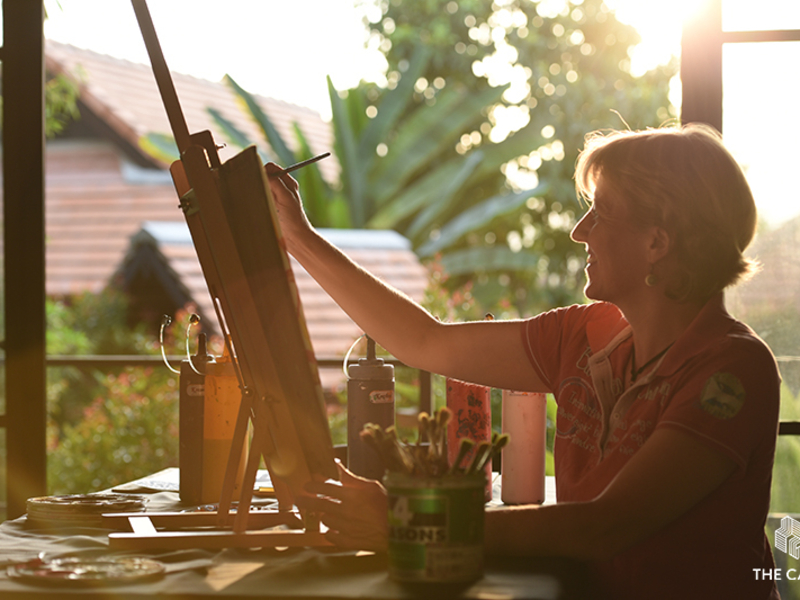
Our focus on detox and counselling, complemented by physical and mental exercise, is what sets us apart. We empower individuals to achieve lasting sobriety through inpatient or outpatient care designed to heal their body, mind and spirit.
What kind of therapists or specialists are on site?
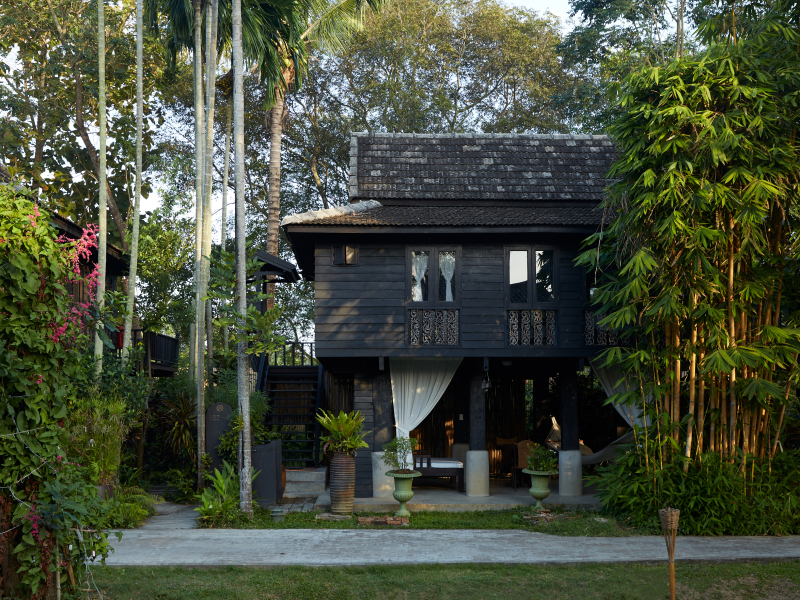
We have a multidisciplinary team: psychologists, trauma therapists, addiction counsellors, yoga teachers, nutritionists and visiting practitioners in fields like somatic healing, movement or integrative medicine. The idea is to treat the whole person, not just the behaviour.
And after they leave?
We offer tailored after-care plans to support reintegration, especially for expats returning to high-stress environments. The goal isn’t just to “get clean” – it’s to feel empowered to live well.
What does a relapse prevention plan look like?
Typically, it includes identifying early warning signs and personal triggers, properly managing your sober time, integrating mindfulness and stress regulation techniques, focusing on physical wellness through movement and nutrition, and establishing support systems and accountability. It’s about giving clients the tools and confidence to navigate life beyond rehab.
A word with a client
Why did you decide to go to rehab?
I was drinking most nights, telling myself it was normal. But I was constantly anxious, tired, disconnected – and I didn’t recognise myself anymore.
Were you nervous about what it would be like?
Absolutely. I thought I’d feel ashamed or judged. But it was the opposite. Everyone was there to heal, not to punish. The staff were kind, and the other clients were just like me: professionals, parents, people under pressure.
What surprised you most?
How much of it wasn’t about alcohol. We talked about family patterns, unmet needs, trauma I hadn’t looked at in years. It wasn’t always easy, but it was real. And by the end of the week, I felt something I hadn’t in a long time – clarity.
This article on a rehab programme and wellness centre, The Cabin Chiang Mai, first appeared in Expat Living magazine. You can buy the latest issue or an annual subscription or read the digital version free now.
Interested in knowing about editorial options? Email us at advertising@expatliving.hk.