
DR PAULINE TAYLOR of Pets Central covers the issue of cat obesity, sharing important fat cat facts and explaining what pet owners should know about keeping their feline companions at a healthy weight.
What are a few general points to understand about fat cats?
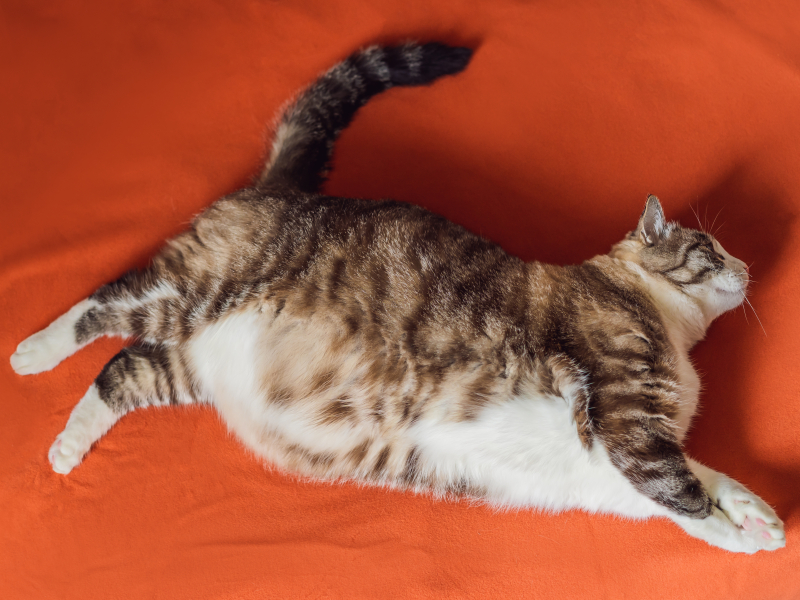
Obesity in cats is defined as being more than 30 percent over ideal weight; overweight is more than 15 percent over ideal. You should be able to feel your cat’s ribs easily and see a waistline from above. Prevention is better than cure, and cats that have been overweight often regain weight. Cats under two years are less likely to gain weight; between two and ten, they use less energy and are more at risk. Senior cats over twelve tend to be underweight, but not always.
What are some health issues with cat obesity?
Fat cats are less active, have reduced quality of life, and may live up to two years less. They cannot groom properly, and the extra weight harms their joints. Other related illnesses include diabetes mellitus and urinary tract infections, the latter partly because they cannot maintain hygiene. Stress may also play a role.
A US survey lists some other common obesity-related conditions: arthritis, chronic kidney disease, liver disease, low thyroid, asthma, torn ligaments, spinal disc disease, high blood pressure, heart failure, gallbladder disorder and spinal immobility. Obesity is also linked to chronic inflammation and many cancers.
Besides walking, what exercises are good for my cat to lose weight?
Walking is not a natural or practical exercise for most cats, so the best approach is to stimulate their hunting instincts through play and environmental enrichment. Establish a regular and fun exercise routine. Exercises involving moving objects – for example, feather wands – stimulate a cat’s predator instincts.
Replace food treats with more interactive activities, such as extra play time or holding and petting. You can also hide food around your home in areas that make your cat go and search for the food and thus exercise. Weigh out the daily food and split it into treat toys and hiding places. (Use food treat toys stuffed with normal daily diet, not treats.) Higher vertical spaces in your home are particularly good for hiding foods that require exercise to get to. You could also create a home gym with high-up resting platforms specially designed for your furry friend.
How many calories should an average cat have per day?
I avoid giving a calorie number because I have seen pets starved when owners followed generic pellet counting instructions regardless of food type. Calorie needs depend on brand, ingredients, age and life stage. If your cat is overweight, ask your vet for a feeding plan that ensures nutrients without overfeeding. Most clinics offer weight consultations with regular weigh-ins, as it’s hard to “see” weight loss. Monthly weighing is effective and can be done at home to avoid clinic stress.
My cat sits by her food bowl all day – how can I encourage movement?
There may be medical reasons, or she may crave water rather than food. If sitting beside a food bowl continues, it’s probably time for a health check by your vet. If dieting, ensure she gets enough nutrients daily. Rapid weight loss is dangerous; slow, steady loss is safer and more likely to stay off. Use the exercise tips above to increase activity.
About Dr Pauline Taylor (BVM&S MACVSc)
After graduating from Edinburgh University, Dr Taylor began practising in Scotland, working with farm animals, and has accrued over 30 years of experience in caring for animals in various places including the UK, New Zealand and Hong Kong.
Pets Central operates multiple animal clinics and hospitals in Hong Kong:
North Point Hospital | 2811 8907
Mong Kok Hospital | 2309 2139
Tseung Kwan O Hospital | 2244 6684
Sai Kung Hospital | 2792 0833
Park Island Mobile Clinic | 6223 0903
pets-central.com
This article on how to help fat cats first appeared in the Autumn 2026 issue of Expat Living magazine. You can buy the latest mag or an annual subscription, or read the digital version for free now.