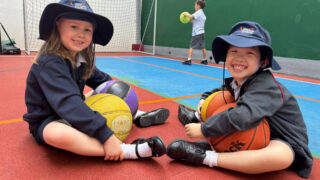
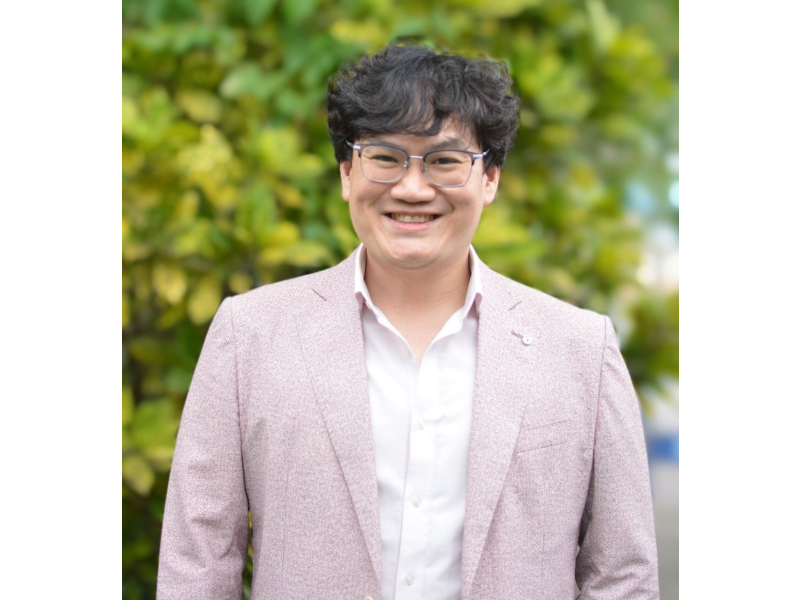
The Norwegian International School (NIS) principal LUIS MAK opens up about the close-knit community at this school in Hong Kong – and why entering the campus each day reminds him of walking through a wardrobe into Narnia! He also talks us through the outdoor learning approach at the school, and how they incorporate the British Curriculum with the International Primary Curriculum (IPC).
Tell us a bit about yourself, Luis.
I’m now in my fourth year as principal of NIS, serving this wonderful community. Although my parents are from Hong Kong, I was born in Venezuela. My love of learning has taken me across Canada, Japan, South Korea, the US and back to Hong Kong, which feels like home. I hold a PGDE in special needs from HKU and a master’s in educational leadership from Harvard. Fun fact: I speak seven languages, including Spanish, English, Cantonese and Korean. There are a few more, but you’ll have to ask me in person!
What is the curriculum or approach to learning at NIS?
The Norwegian International School blends the British Curriculum with the International Primary Curriculum (IPC). For English and Maths, we follow the British Curriculum. This gives us clear progression and ensures strong foundations in core academic skills. The real “spark” in our day-today learning comes from the IPC – a theme-based, multidisciplinary curriculum where we teach through big, exciting topics that connect different subjects. For example, in a unit like “Mission to Mars,” students might:
- work on a geography task, such as drawing and interpreting maps;
- move into an art task to illustrate what they imagine the surface of Mars looks like;
- then tackle a technology task, designing and building a model Mars Rover.
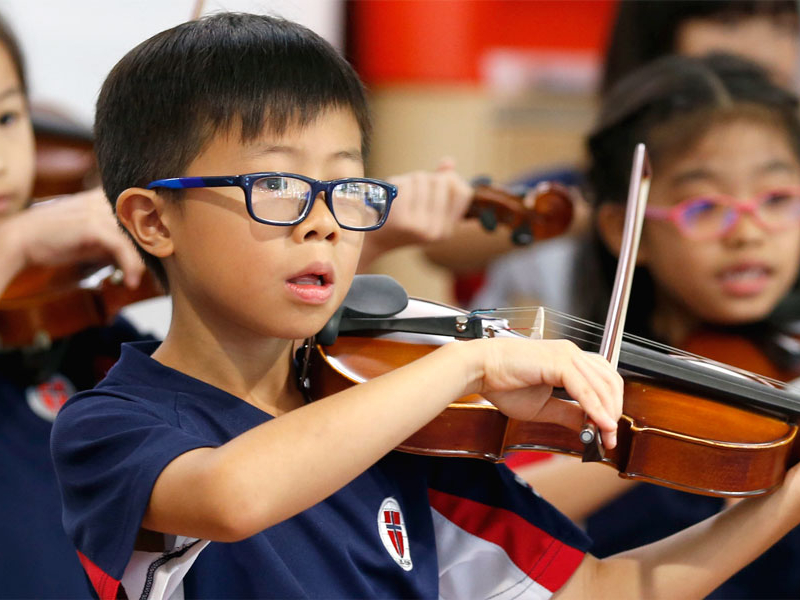
By weaving subjects into one coherent theme, students see how ideas connect rather than treating learning as isolated blocks. This approach helps them develop key 21st-century skills, or the “4Cs”: critical thinking, creativity, communication and cooperation.
The Norwegian International School is located in beautiful Tai Po. Give us an insight into the campus.
We’re tucked away in the green surroundings of Tai Po and the campus feels like a hidden world. I love simply stepping through the gates – it genuinely feels like walking through the wardrobe into Narnia.
We have trees that are several hundred years old, fruit-bearing plants and delicate mushrooms and moss that only grow where the air is clean. Curious beetles and beautiful butterflies are regular visitors. We’ve even spotted snakes, squirrels and frogs on campus from time to time. It’s a living, breathing outdoor classroom.
Why is outdoor learning so important? How is it woven into the curriculum?
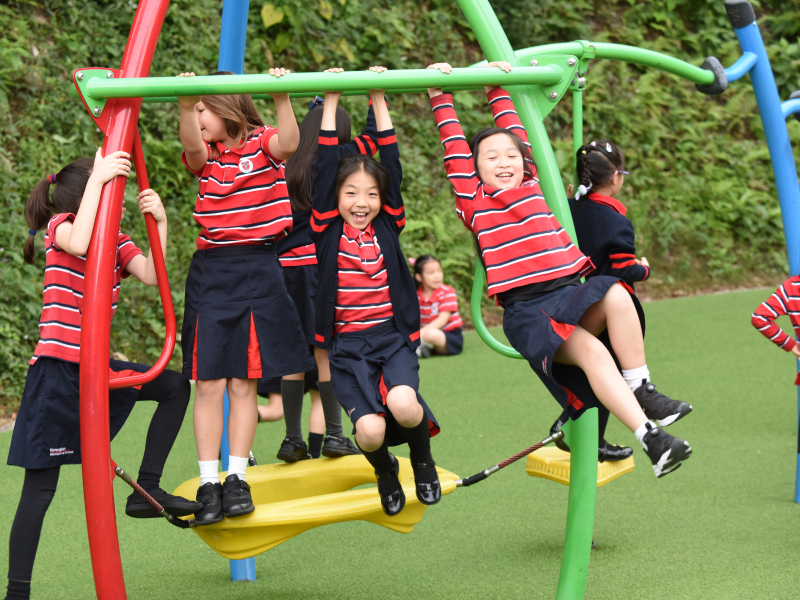
Green space is vital for healthy child development; it supports physical health, sharpens cognitive function and nurtures emotional wellbeing, helping young children grow strong, think clearly and feel calm. Time outside is a priority for us. Most days, children go outdoors at recess to run, climb, build and explore.
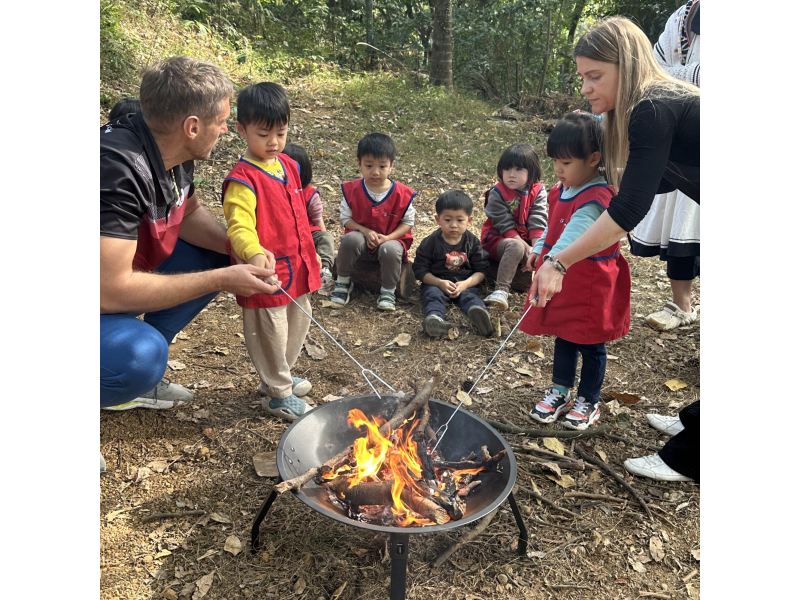
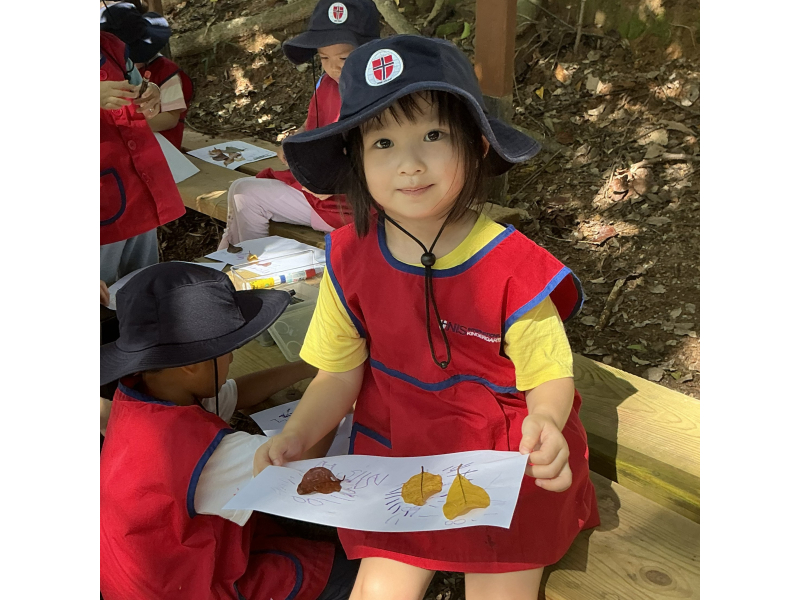
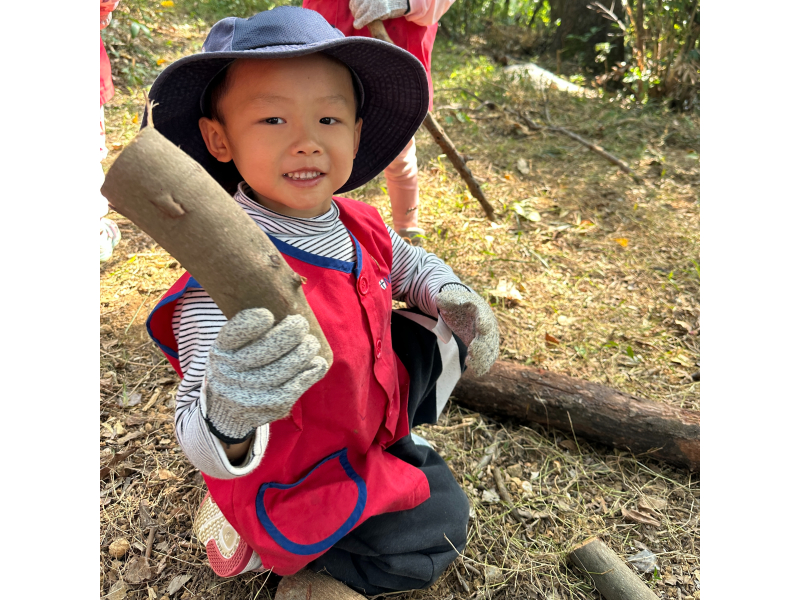
For our kindergarten students, we have weekly Forest School Play where they learn survival-type skills like building fires and using saws in a safe, supervised environment. Students in Year 5 and Year 6 head off on an annual camping trip, sleeping in tents and experiencing life outdoors. “Learning outside” isn’t just a nice idea, but a regular, structured part of our curriculum to build resilience, confidence and a deep appreciation for the natural world.
The Norwegian International School is known for being a close-knit, family-oriented school. How does this smaller community shape the experience for children and families?
It shapes everything. Children quickly develop a strong sense of belonging. They’re known not just by teachers but by office staff, cleaning staff and the support team. When a child is greeted by name by multiple adults who genuinely care, it builds trust and confidence, which supports their motivation and success in the classroom.
For families, a smaller community means relationships feel more personal. Parents get to know staff and other families, and communication tends to be warmer and more open. This is one of the things that makes NIS special. It’s a community where every child and family can feel that they belong.
NIS offers Kindergarten through to Primary. Can you tell us more about that?
One of the strengths of NIS is that children can grow up here. When children stay in the same environment for years, they build deep, trusting relationships with teachers, staff and classmates. School becomes a familiar, safe place. Because they are so connected to the community, children are often more willing and motivated to learn. They’re happy to be at school and that joy carries into the classroom.
Is there anything important for parents to know about admissions and applications?
Our admissions process is personal and relational, rather than just paperwork and test scores. Applications include an interview with both the child and the parents, giving us a chance to get to know your family and you to ask questions and get a feel for whether NIS is right for your child. Our goal is always to ensure a good mutual fit.
What’s your favourite part of what you do?
There’s a Chinese proverb, 天时地利人和, which speaks of the right timing, favourable surroundings and harmony among people. That’s exactly how I feel about NIS. The campus gives me a deep sense of peace, and the community of children, families and staff is wonderfully harmonious. Every moment on campus is precious.
• 175 Kwong Fuk Road, Tai Po (Kindergarten)
2638 0269 | [email protected]
• 170 Kam Shan Road, Tai Po (Primary)
2658 0341 | [email protected]
This article first appeared in the Autumn 2026 issue of Expat Living magazine. You can buy the latest mag or an annual subscription, or read the digital version for free now.